

Keynote Speakers

Dr. Shreeya Shrestha, MBBS
Local Stories, Global Impact: Dhulikhel Hospital’s 30-Year Journey of Access and Advocacy
Dr. Shreeya Shrestha, MBBS is a medical doctor and Global Engagement Officer at Dhulikhel Hospital–Kathmandu University Teaching Hospital, Nepal, an institution internationally recognized for its mission of quality healthcare for all through community partnership, academic excellence, and social accountability. At Dhulikhel Hospital, she is actively shaping models of equitable, community-centered healthcare in resource-limited settings. With frontline clinical experience and a growing leadership role in global health systems, her work embodies the intersection of access, advocacy, and accountability in today’s changing global health landscape.
Trained as an MBBS physician, holding a Postgraduate Certificate in Leadership in Medicine from Harvard University, and currently pursuing a Master of Public Health at Creighton University, Dr. Shrestha brings a rare dual perspective, deeply grounded in bedside care and informed by health systems, policy, and leadership training.
In her current role, Dr. Shrestha leads international collaborations, coordinates global health education and exchange programs, and advances quality improvement initiatives aligned with Dhulikhel Hospital’s vision of socially responsible, patient-centered care. She is a strong advocate for community-based healthcare models, with a particular focus on women’s health, mental health, and disaster-resilient systems of care that reach underserved and marginalized populations.
Recognized nationally and internationally for her leadership and social impact, Dr. Shrestha continues to bridge local realities in Nepal with global conversations on equity, access, and justice. Her work challenges global health spaces to move beyond intention toward action rooted in lived experience and community trust.
Dr. Jason Beste MD, MPH
Crossroads in Global Health: Understanding the Past, Navigating USAID Cuts, Shaping the Future
Dr. Jason Beste MD, MPH is an infectious disease and public health specialist who was named the inaugural Executive Director of the Arrupe Global Scholars and Partnerships Program, effective July 1, 2022. Dr. Beste is a two-time graduate from Creighton University receiving an undergraduate degree in the College of Arts and Sciences and his medical degree in the School of Medicine. Dr. Beste completed his residency training in Internal Medicine and Social Medicine at the Albert Einstein School of Medicine/Montefiore Medical Center in the Bronx, NY and an Infectious Disease fellowship and MPH at the University of Washington. Prior to coming to Creighton, Dr. Beste held faculty appointments at Harvard Medical School, the Division of Global Health Equity at Brigham and Women’s Hospital, and the Department of Global Health and Division of Allergy and Infectious Disease at the University of Washington. Dr. Beste's expertise is in health systems strengthening with a particular focus on post-conflict health systems. He has worked as the Medical Director and Chief Medical Officer for Partners In Health in Liberia and Malawi and as a global health instructor and researcher for the University of Washington. He has spent the past decade working in a number of global health systems working to promote health equity and improved access to healthcare systems.
Dr. Hans Dethlefs, MD
Chronic Disease: At the Heart of Healthcare Access
Dr. Dethlefs is a family physician working at the OneWorld Community Health Center in Omaha. His undergraduate degree was from Creighton University followed by medical school at the University of Nebraska Medical Center. He trained in family practice at the St. Francis Family Practice Program in Wichita, KS. He and his wife Andrea have three adult children and two grandchildren. His international work has included time in Mexico, Honduras, the Philippines, and in the Dominican Republic. He currently serves as the president and medical director of Chronic Care International, which is an Omaha-based nonprofit focused on providing chronic disease care to patients with diabetes and hypertension in developing environments.
Breakout Speakers

Dr. Stephanie J.Y. Hartman, MD
Making the Case for Physician Advocacy Involvement in Soil Health as a Social Determinant of Health
Dr. Stephanie Hartman, MD is currently an Assistant Professor in the Department of Internal Medicine, Division of General Internal Medicine for the University of Nebraska Medical Center.
Dr. Hartman is a native of Missouri and obtained undergraduate degrees in Food Science and Human Nutrition and Biochemistry as well as a Master of Science in Human Nutrition at the University of Missouri, in Columbia, Missouri. She completed her medical education at the University of Nebraska Medical Center and her residency and chief residency in Internal Medicine at Creighton University Medical Center. Before joining UNMC in 2016, she was the Medical Director for Women’s Health of the Nebraska-Western Iowa Veterans Administration.
In clinical practice, she aspires to prevent and reverse diet-related chronic disease with an emphasis on improving food and nutrition for her patients. Her interests in nutrition and preventative health have led her to being involved as a member of the Nutrition Curriculum committee for the College of Medicine and the Community Health Improvement Plan (Nutrition, Physical Activity and Weight) Committee for Nebraska Medicine. She is also a co-preceptor for the Medical Humanities and Arts Enhanced Medical Education Track and personally enjoys engaging in various creative and environmental endeavors, including painting, gardening, and ecological conservation through native prairie restoration.
Dr. Hartman is passionate about health advocacy and is the current Chair of the Health and Human Policy Committee of the Nebraska Chapter of the American College of Physicians and serves as an at-large member on the Board of the Nebraska Medical Association. She was awarded the Nebraska Chapter of the American College of Physicians Advocacy Award in 2023 and the Nebraska Medical Association Advocate of the year in 2024. She is the President of the Metro Omaha Medical Society Foundation Board and is a founding Board Member of the nonprofit Nebraska Alliance for Physician Advocacy. She is especially proud of the collaborative effort with her fellow NAPA board members to produce the “Advocacy is Medicine” podcast beginning in 2023.
Dr. Sarah Elizabeth Scales, PhD, MPH
Public health, epidemiology, and human rights in complex emergencies: Persistent challenges in a rapidly changing global landscape
Dr. Sarah Elizabeth Scales, PhD, MPH, is an assistant professor in the Department of Epidemiology, where she is also faculty in emergency preparedness academic programs and the Water, Climate, and Health Program. Dr. Scales trained as an infectious disease epidemiologist at Columbia University Mailman School of Public Health and further specialized in disaster epidemiology at the University of Delaware. She has collaborated on a number of projects with the Centre for Research on the Epidemiology of Disasters (ASED) based in Brussels, Belgium. Her research interests are at the crux of hazards, conflict, and health. Her current research focuses on the use of epidemiologic methods to assess the human-health impacts of extreme events. She is particularly interested in the effects of disasters and conflict on the health of displaced populations. Dr. Scales hopes that her work provides tangible applications for field practitioners and contributes to evidence-informed policy and practice.
Dr. Michael A. Greene, MD
Omaha Refugee Population, Health Advocacy Needs
Michael A. Greene, M.D, serves as the Director of the Family Medicine Residency Program. He also serves as an assistant professor of family medicine at Creighton University School of Medicine. Dr. Greene’s particular clinical interests are pediatrics, maternal care, inpatient hospital care and hospice medicine, truly a family physician.
Dr. Greene earned his medical degree from SUNY Upstate Medical College in Syracuse, New York, in 2006. He completed his family medicine residency at the University of Nebraska Medical Center in 2009. Prior to joining Creighton, Dr. Greene served in the U.S. Air Force as the medical director at Misawa Air Base in Misawa, Japan, and as a hospitalist at Bagram Air Field in Afghanistan. Dr. Greene is board certified by the American Academy of Family Physicians and a member of the Nebraska Academy of Family Physicians. He has authored peer-reviewed journal articles on aseptic meningitis and urolithiasis. Dr. Greene is quite active away from the office. A father of five, he and his family enjoy outdoor activities, especially those close to nature.
Interprofessional Panel on the Impacts of USAID and Global Health Funding Cuts
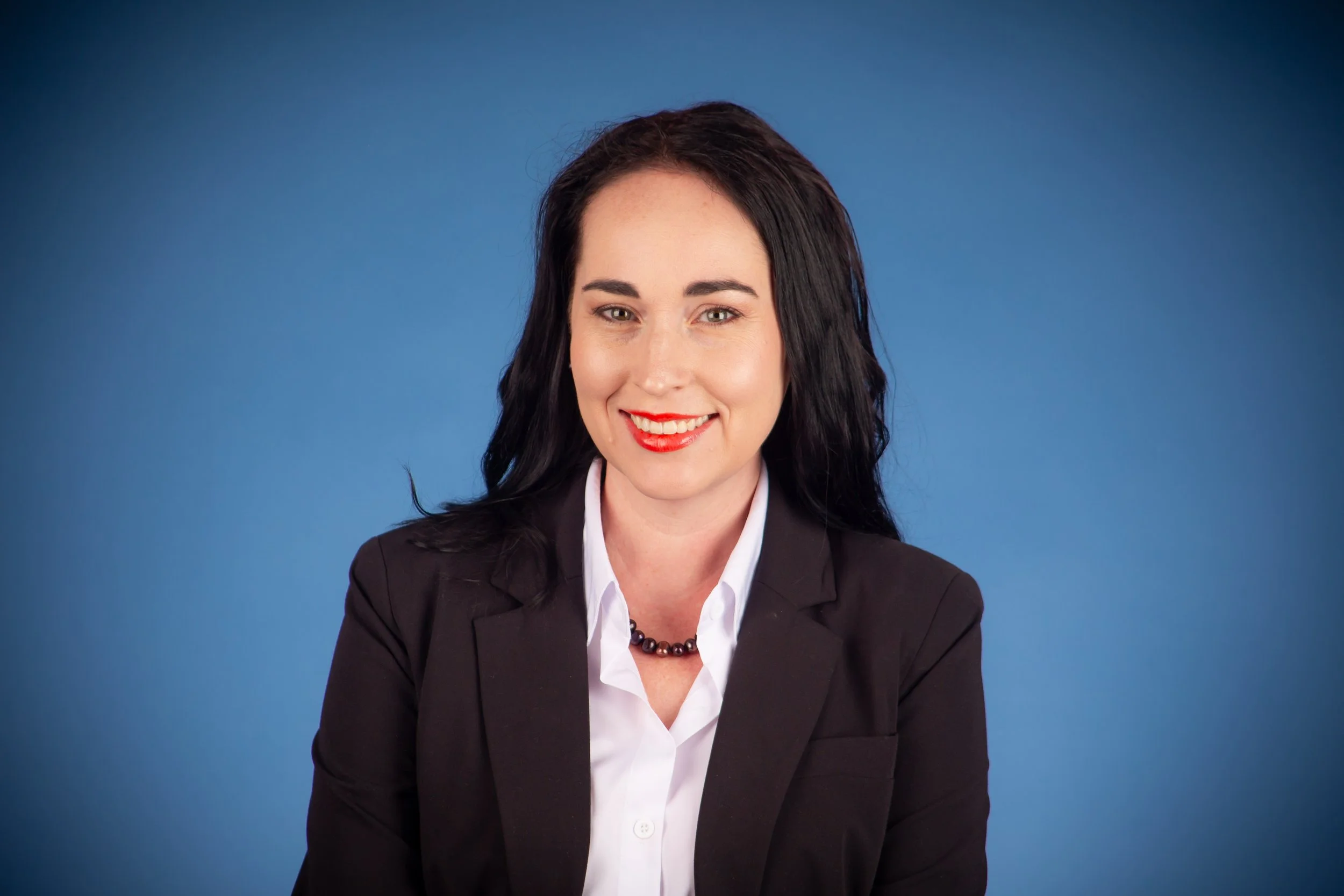
Dr. Jennifer L. Jessen, EdD, RN, CNOR, FNAP
Interprofessional Panel on the Impacts of USAID and Global Health Funding Cuts
Dr. Jennifer L. Jessen, EdD, RN, CNOR, FNAP, is an Associate Professor in the College of Nursing at Creighton University. Her scholarship centers on perioperative nursing education, interprofessional education (IPE), and the development of assessment strategies to advance competency-based learning. She holds a Doctor of Education in Health Professions Education and an MSN in Nursing Education from the College of Saint Mary, and a BSN from Creighton University. In addition to teaching, Dr. Jessen leads a special assignment in assessment and accreditation, developing a comprehensive assessment model for undergraduate and graduate nursing programs, aligning student learning outcomes with national standards, and supporting accreditation readiness. She has secured funding for projects on IPE assessment and community-based advance care planning, with work published in Journal of Interprofessional Education & Practice and Health, Interprofessional Practice and Education. A Distinguished Fellow of the National Academies of Practice, she is dedicated to preparing collaborative, practice-ready health professionals.
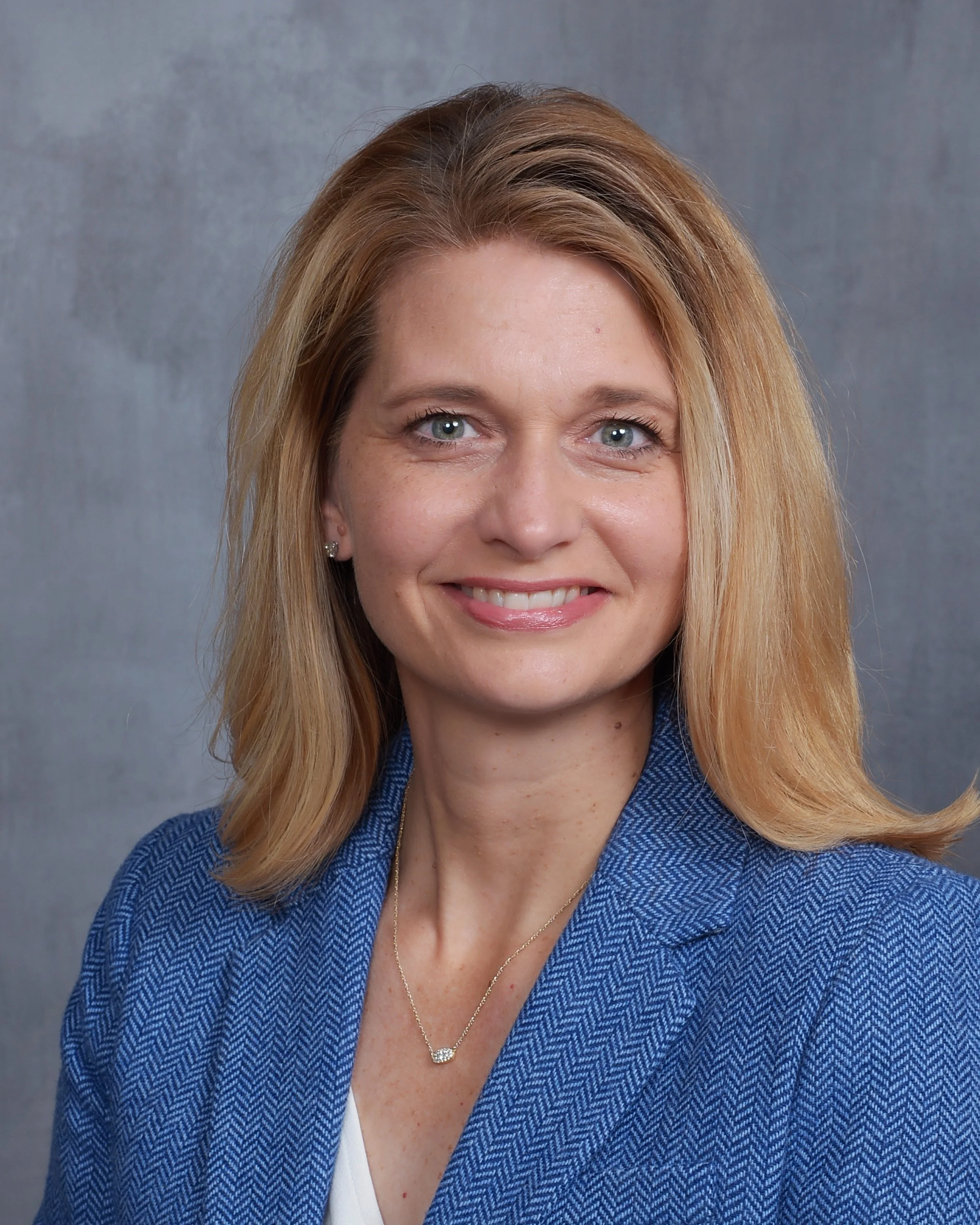
Dr. Angela L. Patterson, OTD, OTR/L, FNAP
Interprofessional Panel on the Impacts of USAID and Global Health Funding Cuts
Angela Patterson, OTD, OTR/L, FNAP is an Associate Professor in the Department of Occupational Therapy and Director of the Office of Faculty and Staff Development for the School of Pharmacy and Health Professions at Creighton University in Omaha, Nebraska. She currently serves as the Co-Director for Faculty Development in Creighton’s Center for Interprofessional Practice, Education and Research promoting IPE across 8 health science programs. Dr. Patterson is a board member and volunteer for a local safety net interprofessional healthcare clinic promoting access to occupational therapy for the underserved population. She collaborates with international rehabilitation colleagues on the development and strengthening of the global rehabilitation workforce. Her research and grant projects are coordinated with an interprofessional team completing community participatory research and access to rehabilitation services.
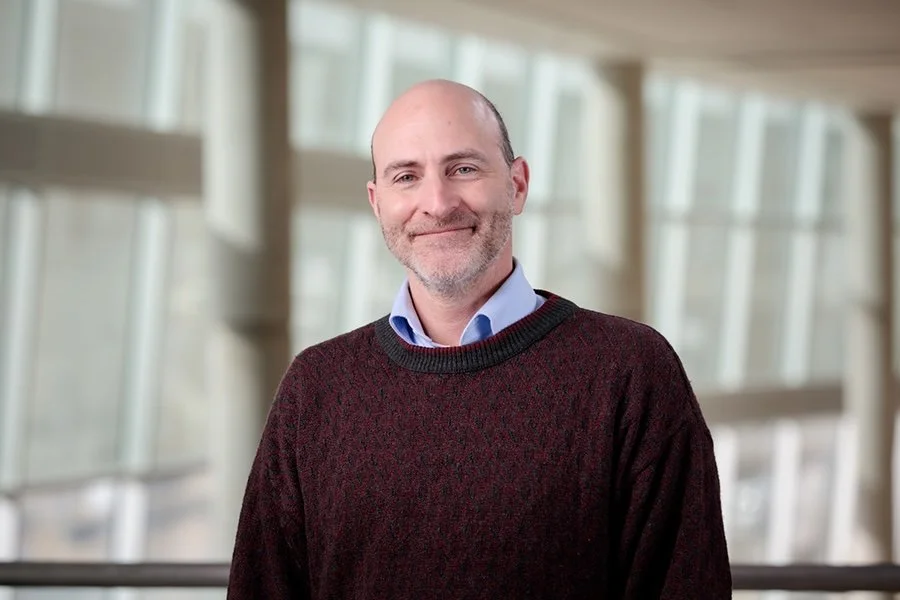
Dr. David Brett-Major, MD, MPH
Interprofessional Panel on the Impacts of USAID and Global Health Funding Cuts
David Brett-Major, MD MPH, is an Internal Medicine and Infectious Diseases physician. He has worked at home, in South America, Africa, and Asia as a clinician, educator, researcher, and in health emergency risk management. He has been part of the filovirus emergency response in Guinea, Nigeria, Rwanda, Sierra Leone, and Uganda. David has worked in health security policy and management on issues such as research in emergencies, Dual Use Research of Concern, high consequence pathogens including pandemic influenza, and all hazards preparedness. He has been a part of global alert and response coordination against Ebola virus disease, Middle East respiratory syndrome coronavirus, and avian influenza A(H7N9). As a clinical scientist and medical epidemiologist, his research interests focus on risk, how it may be identified, characterized, and managed from patient- and community-centered vantages, particularly related to emerging infectious diseases.
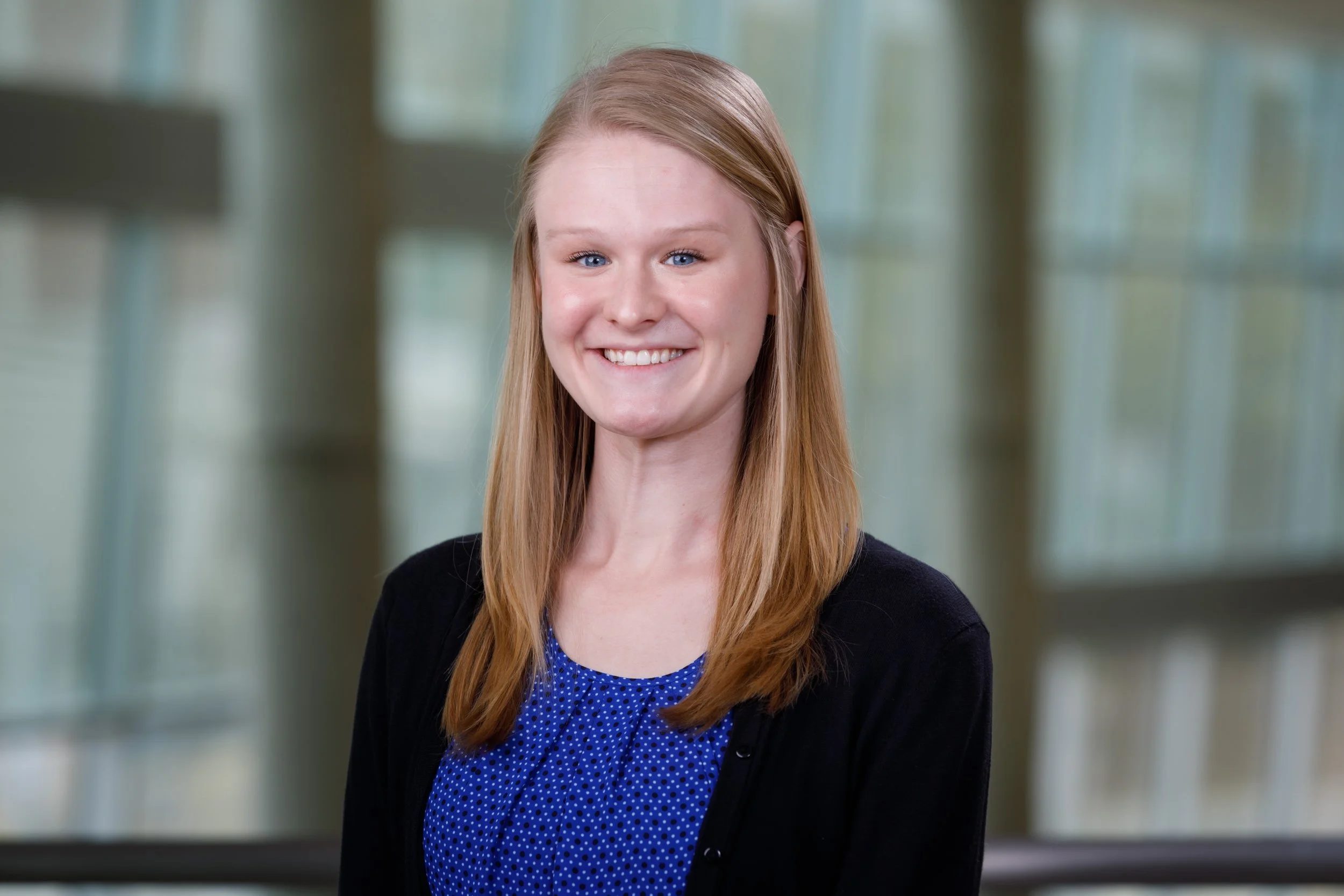
Dr. Jessica Witt, PharmD, BCACP
Interprofessional Panel on the Impacts of USAID and Global Health Funding Cuts
Jessica Witt, PharmD, BCACP is a Clinical Assistant Professor at UNMC College of Pharmacy. Dr. Witt earned her Doctor of Pharmacy degree at the University of Missouri-Kansas City School of Pharmacy in 2020 and completed 2 years of Post Graduate Residency training in 2021 and 2022. Dr. Witt splits her time between the College of Pharmacy and providing patient care at a local Federally Qualified Health Center. Within the clinic, Dr. Witt practices ambulatory care, focusing on chronic disease state management such as hypertension and diabetes, as well as health disparities.
GPNAHS Breakout Speakers
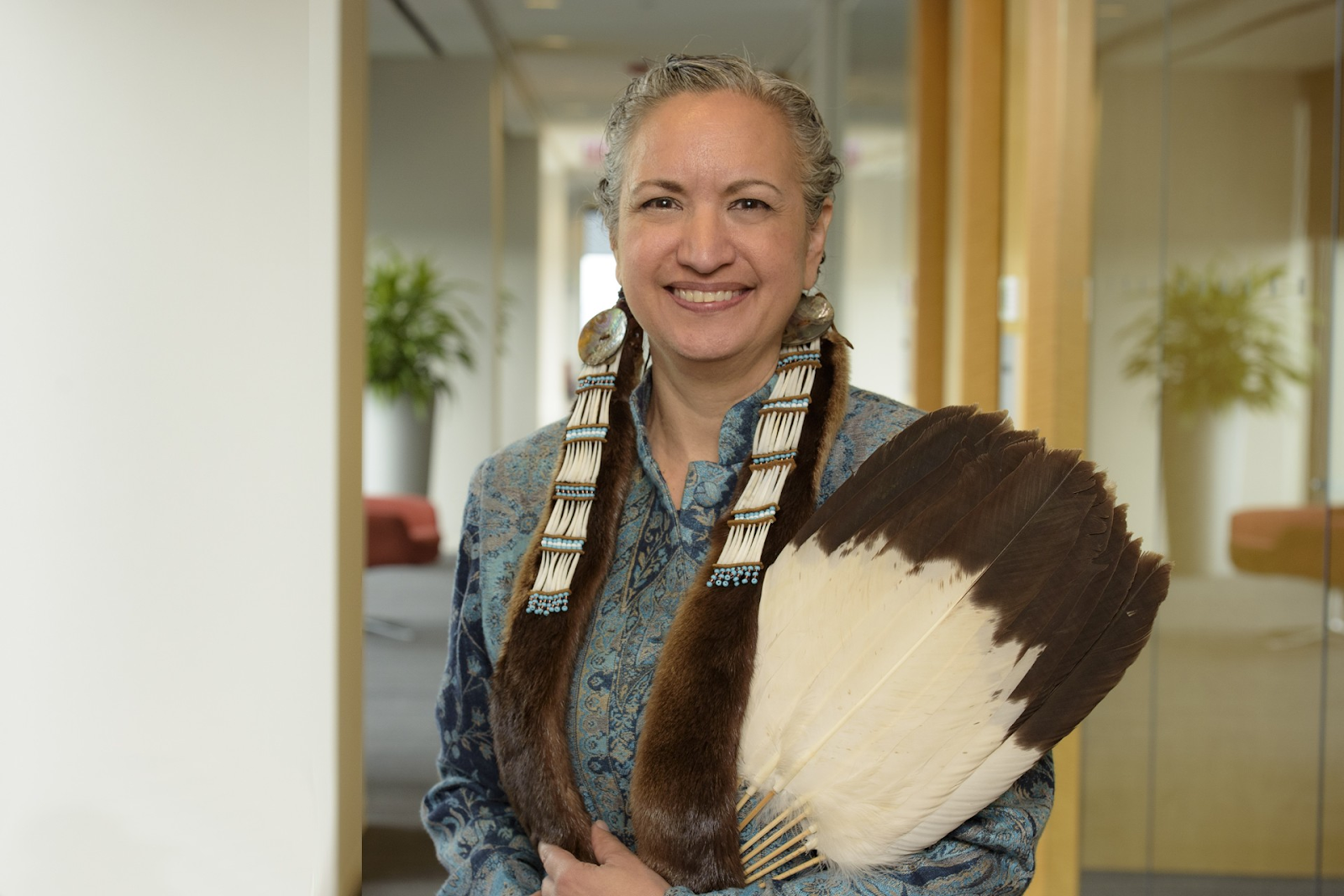
Dr. Siobhan Wescott, MD, MPH
Making Healthcare More Indigenous
Siobhan Wescott, MD, MPH, is an Alaska Native physician and health researcher. At the University of Nebraska Medical Center, she holds the Dr. Susan and Susette La Flesche Professorship in American Indian Health. Dr. Wescott focuses her work on integrating Indigenous communities and values into research and healthcare. Last year, the Association of American Indian Physicians awarded Dr. Wescott their Physician of the Year Award.
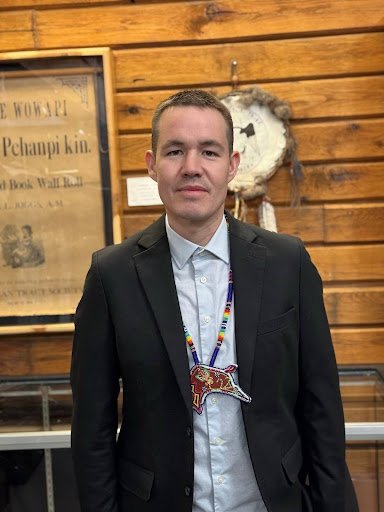
Kameron Runnels
Santee Sioux Nation: Pursuit for Clean Drinking Water
Kameron Runnels is currently serving his second consecutive four-year term as Vice Chairman of the Santee Sioux Nation Tribal Council. He is Vice Chairman of the Great Plains Tribal Leader Health Board, representing 17 tribes and service areas across five states, and represents the Great Plains region as an alternate delegate to the HHS Secretary’s Tribal Advisory Committee. He also serves as Chairman of the Nebraska Commission on Indian Affairs, a position he has held since 2023 following appointment by the Governor of Nebraska. In 2025, he was selected as a recipient of the Native American 40 Under 40 Award in recognition of his leadership and service to Native communities.
GPNAHS Panel Session: Tribal Health Services in Rural and Urban Areas

Keith Morrow, MHA, MS, ATC – Chief Executive Officer, Ponca Health Services
Tribal Health Services in Rural and Urban Areas
Keith Morrow is a healthcare leader with over 20 years of experience in hospitals and multi-specialty medical groups across rural, academic, and urban healthcare facilities. He earned a Master’s in Healthcare Administration in Strategic Leadership and Innovation from the Colorado State University System and has overseen successful Accountable Care Organization (ACO) implementations, improving patient outcomes, access to services, and financial performances.

Rhiannon Pitzl, MS – Chief Operating Officer, Ponca Health Services
Tribal Health Services in Rural and Urban Areas
Rhiannon Pitzl is the Chief Operating Officer of Ponca Health Services, a tribally operated healthcare system of the Ponca Tribe of Nebraska serving both rural and urban communities. Her career spans frontline clinical care and executive leadership, giving her a systems-level perspective on access, workforce challenges, and continuity of care.
She has served as COO since 2017 and has worked for the Ponca Tribe of Nebraska since 2008. An enrolled member of the Ponca Tribe, Rhiannon is passionate about advancing culturally responsive care and mentoring future healthcare professionals. She also serves as Secretary of the Healthcare Leaders Association of Nebraska and as a member of the Fred & Pamela Buffett Cancer Center Community Advisory Board.

Rebecca Lechner, DNP, APRN, FNP-C – Chief Medical Officer, Ponca Health Services
Tribal Health Services in Rural and Urban Areas
Rebecca Lechner is an accomplished healthcare professional with a strong background and deep connection to her community. As the Chief Medical Officer of Ponca Health Services, she plays a crucial role in delivering comprehensive care. With a Doctorate in Family Practice from Nebraska Methodist College and board certification through the American Association of Nurse Practitioners, Rebecca is well-equipped to manage the health needs of individuals across all stages of life. Her 13+ years of healthcare experience span various settings, including family practice, emergency care, hospitalist work, long-term care, and health coaching. This broad experience has shaped her approach to patient care, which emphasizes wellness and collaboration. Rebecca is particularly passionate about maintaining a balance of optimal health for her patients, treating a wide range of conditions while promoting preventive care.
Rebecca is also deeply connected to her roots as a registered member of the Ponca Tribe of Nebraska. Her sense of gratitude for the resources and support she received from the tribe while pursuing her education drives her dedication to giving back to the community as a buffalo doctor. As an active member of the Nebraska Nurse Practitioners Association and the American Association of Nurse Practitioners, Rebecca continues to advocate for the improvement of healthcare access and quality. Her commitment to her profession and community makes her a valuable leader in the field, and a trusted healthcare provider for the Ponca Tribe and beyond.

LuAnne Even, PSY.D. – Chief Behavioral Health Officer, Ponca Health Services
Tribal Health Services in Rural and Urban Areas
Dr. LuAnne Even is the Chief Behavioral Health Officer for the Ponca Tribe of Nebraska, where she has served for nearly eight years. She earned her doctorate in Clinical Psychology from Forest Institute of Professional Psychology in 2012 with a concentration in child and adolescent psychology. Dr. Even works with clients across the lifespan, conducts psychological testing for a variety of referral questions, and oversees a multidisciplinary behavioral health department that includes clinicians, community support, and psychiatry. She also applies for and manages multiple grants across a range of funding agencies to support and expand behavioral health services in both rural and urban settings.
